


Tips for Picking the Right Tires
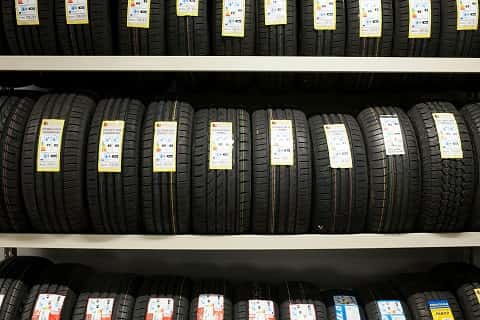
Here at Boucher Auto Group, we know buying new tires can be a challenging experience. With so many brands, tire types, and sizes to choose from, it can be difficult to know where to start. But don’t worry — we’re here to help. Read our comprehensive tire-buying guide to discover expert tips on how to pick the right tires for your vehicle and unlock the secrets to better performance and safety.
Understanding Tire Basics
Understanding the basics of tire maintenance helps you keep your vehicle performing safely. Tires are crucial components of your vehicle, providing traction, handling, and comfort. Below are the parts of a tire:
- Tread: The rubber on the outer surface that contacts the road. Tread depth is critical for gripping the road, especially in wet conditions.
- Sidewall: The vertical part of the tire that connects the tread to the wheel. It displays important information such as the tire size, load rating, and speed rating.
- Bead: The edge of the tire that fits into the rim. It keeps the tire securely attached to the hub.
When you’re buying new tires, you can choose from several types depending on your vehicle, your requirements, and your usual driving conditions. Below are the most common types of tires:
- All-season tires: These versatile tires perform well in various conditions, including dry, wet, and lightly snowy roads.
- Summer tires: These tires are perfect for warm weather conditions with excellent grip and handling on dry and wet roads.
- Winter tires: Also known as snow tires, these tires have special rubber compounds and tread patterns for driving over snow and ice.
- Performance tires: These tires provide high-speed stability, precise handling, and optimal grip.
- All-terrain tires: These tires are perfect for SUVs and trucks and can handle both daily commutes and off-road driving.
- Touring tires: These tires prioritize comfort and long-lasting performance for passenger vehicles.
Other specialty tires are available, including track and extreme off-roading tires.
When To Replace Your Tires
Several factors can help determine when it’s time to replace your tires. Don’t ignore these signs. It’s better to change them early instead of waiting until it’s too late.
Tread Wear
Tread depth is a major factor in tire replacement. The legal minimum tread depth is typically 2/32 inches, but replacing your tires when they reach 2/16 inches will make for better wet-weather performance. Most tires have wear indicator bars that become visible when the tread reaches the minimum depth. When these bars are flush with the tread, it’s time to replace the tire.
Age of the Tire
Tires have a shelf life, even if you don’t drive often. Most tire manufacturers recommend replacing your tires every six to 10 years, regardless of tread wear, because the rubber compounds degrade over time. You can find the manufacturing date on the tire’s sidewall.
Uneven Wear
If your tires show uneven wear patterns, it could be due to misaligned wheels, suspension problems, or underinflation. Fixing the underlying issues prevents premature tire wear. Regular tire rotation every 5,000 to 8,000 miles helps promote even wear and extend your tires’ life span.
Damage to the Tire
Inspect your tires regularly for visible signs of damage. Any punctures, deep cuts, cracks, or bulges in the sidewall are reasons to replace a tire immediately. Driving over potholes or hitting curbs can damage a tire’s internal structure and compromise your vehicle’s safety.
Performance Issues
If your vehicle starts to pull to one side or vibrate, it may indicate tire issues. Even if the tread depth isn’t low, tire performance can degrade due to aging or internal damage.
When it’s time to replace your tires, visit one of our Boucher Auto Group Wisconsin Tire Centers for excellent service.
Evaluating Your Driving Needs and Conditions
When buying new tires, consider your typical driving environment. To ensure you get the right ones, follow our tire-buying tips:
- Urban and city driving: For city commutes with frequent stops and starts, you’ll want quiet, durable tires that keep you comfortable. The ideal choice is all-season tires or touring tires.
- Highway driving: For long-distance travel at consistent speeds, choose tires with low rolling resistance for fuel efficiency and comfort, such as touring tires or performance tires.
- Off-roading: If you’re an off-roading enthusiast, you need durable tires with aggressive tread patterns that can handle challenging surfaces. Opt for all-terrain tires or mud-terrain tires.
- Mixed driving: For daily commutes and light off-road driving, choose versatile all-terrain tires.
Assess Weather and Climate Conditions
Your local climate can also affect your choice of tires. In mild climates with no extreme weather changes, all-season tires provide balanced performance year-round. In hot climates, opt for tires that can withstand high temperatures such as summer tires or performance tires. For cold climates, choose winter/snow tires with excellent grip in freezing temperatures. For areas with both hot summers and cold winters, consider having sets of both summer and winter tires and switch them seasonally.
By evaluating your driving needs and conditions, you’ll know how to choose good tires that enhance your vehicle’s performance, safety, and comfort.
Maintaining Your Tires for Longevity and Safety
Maintaining your new tires properly is essential for maximizing their life span, ensuring your vehicle keeps performing safely. Below are some key tips for keeping your tires in top condition:
- Inspect tires routinely: Check for tread wear, damage, and cracks every month.
- Maintain proper tire inflation: Check tire pressure regularly and keep it within the manufacturer’s recommended range.
- Rotate tires regularly: Regularly rotate your tires to ensure even wear.
By keeping an eye on these factors and regularly inspecting your tires, you can ensure your vehicle remains safe and performs optimally. If you’re unsure about your tires’ condition, it’s always a good idea to consult a professional for an inspection.
Schedule a Tire Inspection Today
Here at the Boucher Auto Group in Wisconsin, our tire centers provide friendly and efficient tire services. Schedule a tire inspection today at your local center, and our helpful team can help you find the right set of tires for your vehicle.
Image by Robert Laursoo | Licensed with Unsplash License












0 comment(s) so far on Tips for Picking the Right Tires