


Will a 2026 Ford Explorer® fit in my garage near Kenosha, WI?
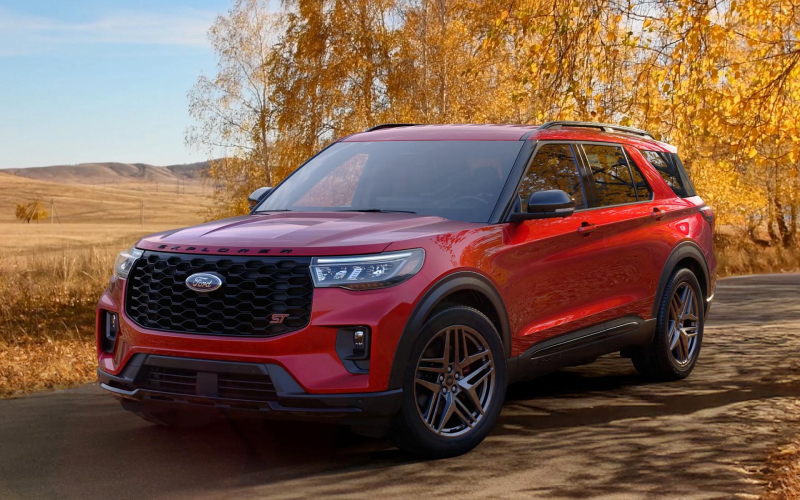
Boucher Auto Group – Will a 2026 Ford Explorer® fit in my garage near Kenosha, WI?
For many shoppers around Kenosha, WI, the most practical question about the 2026 Ford Explorer® isn’t about horsepower or trim names — it’s whether this three-row SUV will comfortably fit in the garage or driveway you already have. At Boucher Auto Group, we help local drivers answer that with real measurements, smart planning tips, and a quick test-fit when you visit Gordie Boucher Ford of Kenosha.
Why garage-fit matters around Kenosha, WI
From classic bungalows near Downtown and HarborPark to newer homes in Pleasant Prairie and Somers, garage sizes in the Kenosha area can vary widely. Many single-car garages are on the narrower side, some two-stall garages keep a workbench or yard gear up front, and alley access can mean tighter angles. If you’re moving up from a compact SUV or sedan, knowing the Explorer® will roll in, clear the door, and still let you open the liftgate or doors without a shuffle makes everyday life easier.
2026 Ford Explorer® exterior dimensions at a glance
Here are the key numbers to keep in mind as you measure your space. These figures come from the 2026 Explorer® specs and apply broadly across the lineup.
- Length: 198.7 in
- Width (without mirrors): 78.9 in
- Height: 69.6 in
- Minimum Running Ground Clearance: 7.6 in
- Maximum Seating Capacity: 7
How does that compare to common garages around Kenosha? A typical single-stall door opening is often about 8 feet wide, with many two-stall openings around 16 feet. Interior depths frequently range from roughly 20 to 24 feet. On paper, the Explorer®’s 198.7-inch length leaves meaningful room in a 20-foot-deep bay, but real-world items like a step, storage shelves, or a garage fridge can trim usable space. That’s why we recommend measuring your exact layout.
How to measure your space methodically
A few minutes with a tape measure will tell you almost everything you need to know before your test drive. Use these steps to build confidence and avoid surprises.
- Door opening width: Measure the narrowest point between the rails. This confirms how easy it will be to drive through without clipping the sides.
- Usable interior width: Measure wall-to-wall, then subtract anything that protrudes (furnace, shelves, bikes). You’ll want comfortable buffer room on at least the driver’s side.
- Usable depth: Measure from the closed garage door to the back wall or any bench/storage. Note where the door curves inward when opening — some doors sweep back a few inches.
- Ceiling and track height: Measure to the lowest obstruction (door opener, lights, or tracks) to check rear liftgate clearance.
- Ramp or lip height: If you have a driveway slope or curb lip into the garage, note it. The Explorer®’s 7.6-inch minimum running ground clearance helps with transitions.
Pro tip: Place painter’s tape on the garage floor to mark your target parking spot. You can even set a soft stop (like a tennis ball on a string) to simulate where the front bumper would rest.
Clearance tips for mirrors, doors, and liftgate
Mirror-to-mirror width is wider than body width, your door swing needs space, and the rear liftgate needs vertical clearance to open fully. These simple adjustments make daily parking smoother:
- Plan for mirror clearance: Give yourself several extra inches on each side beyond the 78.9-inch body width to account for mirrors and steering corrections.
- Create a driver’s-side aisle: Park slightly offset to the passenger side to ensure you can open the driver’s door comfortably.
- Confirm liftgate clearance: Stand inside the garage and measure the full arc of the door tracks and opener. Then compare to the Explorer®’s 69.6-inch height to estimate liftgate room.
- Mind what’s on the walls: Protect with foam blocks or bumpers where door edges could touch. It’s a low-cost safeguard for a high-traffic spot.
If you want to be absolutely sure, bring your measurements when you stop by. We’ll help you translate those numbers to an on-the-spot fit check.
Height, roof items, and garage doors
The Explorer®’s 69.6-inch height clears most residential garage doors comfortably. Where owners run into trouble is with add-ons. If you ever install a rooftop box or carry tall items, check the total height against your door opening and the garage’s lowest obstruction (often the opener rail).
- Door opening vs. interior height: The door opening is usually the tightest point; interior ceilings are often higher. Verify both.
- Account for accessories: Any rooftop carriers or mounted items change your clearance math. Measure them on the vehicle before pulling in.
- Liftgate under tracks: Open the liftgate with the Explorer® fully inside only after confirming overhead clearance so you avoid contact with tracks or lights.
Not sure how much room your setup leaves? We can simulate overhead clearance at the dealership and talk through best practices before you head home.
Getting in and out comfortably
Fit is more than just rolling inside — it’s being able to live with the setup every day. That includes how you enter, exit, and load. Small tweaks make a big difference in a tighter garage.
- Angle in gently and straighten early so the Explorer® is centered through the door opening.
- Park a touch to the passenger side to create a driver’s-side walkway.
- Stop consistently in the same spot to keep liftgate, door, and workbench clearances predictable.
If loading in the garage is important, note that Explorer® Active includes a power liftgate. Being able to open and close the rear door hands-free can be especially helpful when your aisle is narrow.
Helpful Explorer® features for tight spaces
Several trims include technology and conveniences that make maneuvering easier. While nothing replaces careful driving, these Explorer® features can help reduce guesswork as you navigate close quarters.
- Available 360-Degree Camera on Explorer® ST-Line: Aids low-speed parking by showing a composite overhead view that helps you place the vehicle with precision.
- Ford Co-Pilot360® Assist+ (standard on many trims): While best known for highway confidence, its driver-assist foundation supports safer, smoother driving approaching and leaving your garage.
- Power liftgate (standard on Explorer® Active): Opens the rear door with the press of a button, which is useful when your hands are full and space is tight.
And to clear up a common point of confusion: Ford BlueCruise is designed for hands-free highway driving — it isn’t intended for parking or low-speed maneuvers inside a garage.
How we can help you test-fit at Boucher
Our team at Gordie Boucher Ford of Kenosha is happy to walk through your measurements, talk through trim-level differences that matter in tight spaces, and help you test-fit an Explorer® in our lot so you know what to expect at home. Bring a quick sketch of your garage, your tape-measure notes, and any questions. We’ll take the time to make sure the Explorer® you choose feels easy to live with on day one — and every day after.
Frequently Asked Questions:
Will a 2026 Ford Explorer® fit in a 20-foot-deep garage around Kenosha?
In most cases, yes. The Explorer® is 198.7 inches long, which leaves roughly 3.5 feet of total buffer in a 240-inch (20-foot) bay before accounting for steps, shelves, or a garage door’s inward sweep. Measure your exact space — especially any items at bumper height — and aim to park in a consistent spot for predictable clearances.
What are the exact exterior dimensions I should use when planning?
Length is 198.7 inches, width (without mirrors) is 78.9 inches, and height is 69.6 inches. Minimum running ground clearance is 7.6 inches. Use these figures as your baseline, then build in a side buffer for mirrors, a front buffer for the garage door arc, and rear overhead clearance for the liftgate.
Can I open the liftgate inside the garage?
Usually, yes — the Explorer®’s overall height works with most residential garage ceilings. The variable is the path of your door tracks and where your opener or lights sit. Measure from the floor to the lowest obstruction above the rear of your parking spot. If you’re unsure, we can help you estimate liftgate clearance before you head home.
What if my driveway or alley angle is steep into the garage?
The Explorer®’s minimum running ground clearance of 7.6 inches helps with sloped aprons and alley entries common around Kenosha. Approach slowly and as straight as possible to avoid scraping. If you have a particularly aggressive transition, ask us to replicate the angle with a curb-ramp test during your visit.
Will roof-mounted items or a hitch rack affect garage fit?
Yes. Add-ons change your effective length and height. Measure with the items installed and compare against your door opening and interior clearances. If you regularly carry gear, consider removing it before pulling into the garage or store it off the vehicle.
Can Boucher help me verify fit before I decide on a trim?
Absolutely. Bring your measurements to Gordie Boucher Ford of Kenosha, and we’ll help you translate those numbers to a real Explorer®. We can walk you through features like the available 360-Degree Camera on Explorer® ST-Line and the power liftgate on Explorer® Active to see how they complement your space.
Ready to see how the 2026 Ford Explorer® fits your life in and out of the garage? Visit Gordie Boucher Ford of Kenosha. Our team will measure, test-fit, and set you up with a confident plan so getting home is as simple as pulling in, closing the door, and calling it a day.












0 comment(s) so far on Will a 2026 Ford Explorer® fit in my garage near Kenosha, WI?