


What to Know About the 2026 Ford Transit
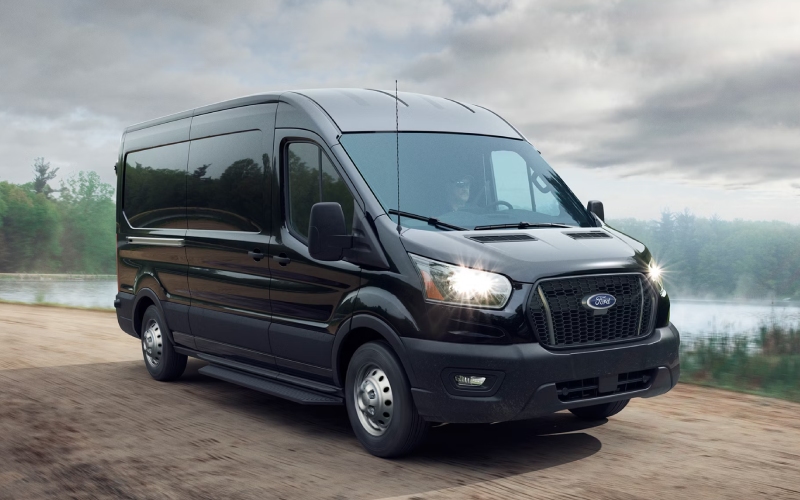
Boucher Auto Group – What to Know About the 2026 Ford Transit
The 2026 Ford Transit continues to be one of the most adaptable commercial and family-ready vans on the road, built for teams that need dependable space, smart technology, and configurations that match real-world jobs. Whether your day involves moving people, hauling equipment, or supporting a mobile business, the Transit’s broad range of roof heights, wheelbase lengths, and interior layouts makes it easy to build exactly what you need without paying for what you do not. It is engineered to be comfortable to drive, simple to upfit, and confident in four seasons.
At Boucher Auto Group, we help customers tailor the right Transit for workforces, nonprofits, hospitality, trades, and personal adventures, serving Milwaukee, Janesville, and Racine. Our team focuses on practical guidance – from the first configuration conversation to upfit coordination and after-sale support – so your van is ready to earn from day one.
- Body choices: Cargo, Crew, and Passenger models let you prioritize open space, mixed seating, or full people-moving capability.
- Roof heights: Low, Medium, and High roof options balance maneuverability with stand-up interior clearance and added vertical storage.
- Wheelbases and lengths: Multiple footprints help you meet tight urban routes or maximize capacity for tools, racks, and seating.
- Powertrains: Gas options deliver confident power for daily routes, while the available electric E-Transit suits predictable local duty cycles.
- Drivetrains: Rear-wheel drive supports heavy loads with stability, and available all-wheel drive adds traction for challenging weather.
- Doors and loading: Wide rear swing doors and large side openings streamline pallet access, passenger entry, and curbside deliveries.
- Technology: Available large touchscreen, connected navigation, smartphone integration, and fleet-ready telematics keep teams informed.
- Driver assistance: Standard and available features such as forward safety alerts, lane support, and enhanced visibility systems bolster confidence.
Versatility is the Transit’s calling card. Passenger configurations can seat large groups comfortably with durable materials, thoughtful storage, and quiet-road tuning that reduces fatigue on long drives. Cargo and Crew models offer flat, useable floor space and tall door apertures that simplify loading bulky items. Factory prep packages, abundant tie-downs, and robust electrical systems make it straightforward to integrate shelves, partitions, refrigeration, lifts, or mobile office equipment.
- Ride and refinement: Suspension tuning aims to limit jolts when unladen and maintain composure when loaded, supporting longer shifts behind the wheel.
- Cabin usability: Intuitive controls, generous cupholders and bins, and optional upgraded seating help drivers stay organized and comfortable.
- Visibility and lighting: Large glass areas and available camera systems improve situational awareness in alleys, docks, and crowded lots.
- Power and traction: Multiple engine choices and available all-wheel drive support confident merging, hilly terrain, and mixed-weather routes.
- Upfit readiness: Factory mounting points, wiring provisions, and popular upfit partner solutions reduce build time and complexity.
- Peace of mind: Comprehensive warranty coverage and nationwide service access help keep your operation on schedule.
Transit technology is more than infotainment – it is an operational advantage. The available large-screen system with smartphone integration helps drivers follow optimized routes and stay connected hands-free. Connected telematics can track vehicle health, coach efficient driving, and reduce downtime with proactive service reminders. For safety, advanced driver-assistance features can help alert the driver, support lane positioning, and enhance low-speed maneuvering – especially valuable in busy yards and construction zones.
- Define your mission: Decide whether you need maximum cargo volume, mixed seating and cargo, or dedicated passenger transport.
- Select roof height and length: Balance interior standing room and storage needs with garage clearance and daily routing constraints.
- Choose drivetrain and power: Pick all-wheel drive for weather and varied terrain or rear-wheel drive for heavy-haul stability, then match the engine to payload and routes.
- Dial in cabin and cargo: Determine seating count, partition style, tie-downs, floor protection, and electrical needs for equipment.
- Add tech and safety: Consider integrated navigation, fleet telematics, and enhanced visibility features to support drivers and managers.
- Plan upfits and charging: Coordinate shelving, lifts, refrigeration, or mobility solutions – and explore E-Transit if your routes favor daily depot charging.
When you are ready to spec your 2026 Transit, our commercial and retail specialists will help you compare trims, talk through real payload and passenger needs, and coordinate trusted upfitters. We also streamline trade-ins, fleet incentives, and delivery logistics so your van arrives truly job-ready.
Frequently Asked Questions:
What is the difference between Cargo, Crew, and Passenger models?
Cargo prioritizes open floor space for tools and goods. Crew adds a second row for people plus protected cargo behind a partition. Passenger focuses on multi-row seating and comfort features for group transport.
Do I need all-wheel drive for my Transit?
All-wheel drive is helpful for snow, gravel, job sites, and steep grades. If your routes are mostly paved and you haul consistently heavy loads, rear-wheel drive is a strong, efficient choice.
Can the Transit be upfitted for my specific trade?
Yes. Common upfits include shelving, drawer systems, bulkhead partitions, ladder racks, refrigeration, wheelchair lifts, and mobile power solutions. Factory prep and partner solutions help shorten build times.
How should I think about towing and payload without overbuying?
Start with your heaviest realistic load and the tools you carry daily, then add a margin for growth. Match engine and axle choices to that need rather than chasing a maximum you will not use.
Is an electric E-Transit a good fit for my operation?
If your routes are predictable, mostly local, and return to a depot, E-Transit can cut fuel and maintenance costs while providing quiet operation and strong low-speed response. We can help assess range and charging.
What does ownership support look like after purchase?
You can expect scheduled maintenance guidance, access to specialized commercial service, parts availability planning, and telematics options for monitoring vehicle health to reduce downtime.
The 2026 Ford Transit blends customizable space, smart technology, and road manners that drivers appreciate. If you are building a reliable people mover or a mobile workshop, our team will help you select the right configuration, integrate upfits, and keep it running strong for the long haul. Reach out to schedule a consultation or a test drive – we are ready to help you make the most of your next van.












0 comment(s) so far on What to Know About the 2026 Ford Transit